NewsNeuro Nov 1, 2026 - 4 min read
Daylight Saving Time Ends Nov 1, 2026: What Time Do Clocks Go Back & Do We Gain an Hour?
Clocks fall back one hour on Sunday, November 1, 2026 at 2:00 a.m., giving you an extra hour of sleep. Here’s the exact time, who doesn’t change clocks, and the status of permanent daylight saving time.
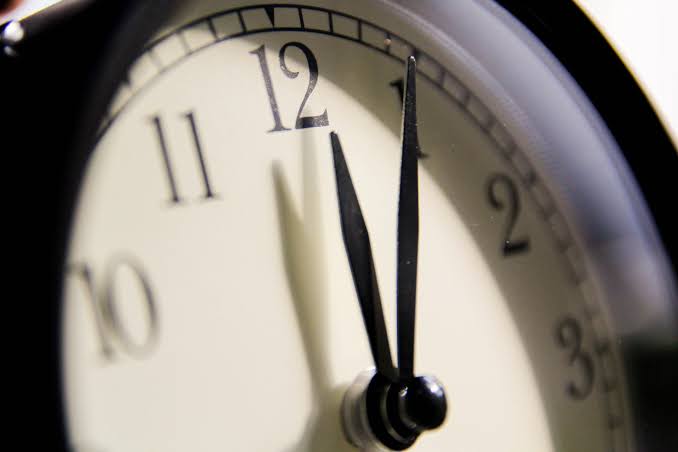
Daylight Saving Time Ends Nov 1, 2026: What Time Do Clocks Go Back & Do We Gain an Hour?
Short answer: Yes, you gain an hour. In most of the US, daylight saving time ends on Sunday, November 1, 2026, at 2:00 a.m. local time, when clocks go back to 1:00 a.m. That's the day after Halloween.
Daylight Saving Time 2026: Key Dates
| Event | Date and time |
|---|---|
| Clocks fall back | Sunday, November 1, 2026, at 2:00 a.m. (becomes 1:00 a.m.) |
| Result | You gain one hour, so Sunday is 25 hours long |
| Daylight saving time returns | Sunday, March 14, 2027, at 2:00 a.m. (becomes 3:00 a.m.) |
Do We Gain or Lose an Hour Tonight?
You gain an hour of sleep when we "fall back" in November. When we "spring forward" in March, we lose an hour.
What Should I Do?
- Phones, computers and smartwatches update automatically.
- Manually set clocks, such as on ovens, microwaves, wall clocks and some car dashboards, need to be turned back one hour. Many people change them before bed on Saturday.
- Safety habit: Fire departments often suggest checking smoke and carbon monoxide detector batteries at each time change.
Who Doesn't Change Their Clocks?
- Hawaii and Arizona (except the Navajo Nation) stay on standard time all year.
- US territories such as Puerto Rico, Guam, American Samoa, the U.S. Virgin Islands and the Northern Mariana Islands also don't observe daylight saving time.
Is Daylight Saving Time Becoming Permanent?
Not yet. Here is where things stand:
- The Sunshine Protection Act (H.R. 139) would make daylight saving time permanent. The U.S. House passed it 308 to 117 on July 14, 2026.
- It still needs approval from the Senate, and then the President's signature. Reports say the Senate remains divided, and no vote had been scheduled.
- President Trump has said he supports the bill.
- 19 states have passed laws supporting permanent daylight saving time if Congress changes federal law. Florida approved it in 2018.
- In 2022, the Senate passed an earlier version by unanimous consent, but the House never voted on it.
Until a new law is signed, November 1 remains the official 2026 "fall back" date. Headlines saying Congress "passed" permanent daylight saving time can be misleading, since both chambers must agree.
Found this helpful?
If this guide saved you time, you can support our work and help us keep publishing free explainers.

What About Canada and Europe?
- Canada: Most provinces change clocks on the same weekend as the US, but some places such as Saskatchewan and Yukon stay on standard time year-round.
- UK and Europe: Clocks already went back on October 25, 2026, one week earlier.
What Changes After the Time Change?
Sunrise comes about an hour earlier, and sunset comes about an hour earlier too, so evenings get dark sooner. This is why many people notice darker commutes in the days after the change.
Sources
- Farmers' Almanac: Daylight Saving Time 2026
- FOX 29: Will our clocks still fall back this year?
- Philadelphia Inquirer: House votes for permanent daylight saving time
- Washington Examiner: House prepares to ditch daylight saving time
- WWSB: House passes Sunshine Protection Act
- Library of Congress
FAQ
What time do the clocks go back? 2:00 a.m. local time on Sunday, November 1, 2026.
Do we gain or lose an hour? You gain an hour.
Is daylight saving time ending permanently? No. The House passed a bill, but the Senate hasn't, so it isn't law.
When does daylight saving time start in 2027? Sunday, March 14, 2027.
Which states don't change their clocks? Hawaii and most of Arizona.
Did the time change already? In the US, it happens at 2:00 a.m. on Sunday, November 1. Europe changed on October 25.
Last updated: November 1, 2026. Rules can change if Congress passes a new law.
#daylight-savings#daylight-savings-2026#daylight-saving-time-2026#daylight-saving-time-ends#when-does-daylight-savings-end#when-does-the-time-change#time-change-2026#when-do-the-clocks-go-back#what-time-do-clocks-go-back#what-time-does-the-time-change#is-daylight-savings-tonight#does-the-time-change-tonight#do-we-gain-an-hour-tonight#do-we-lose-an-hour-of-sleep-tonight#extra-hour-of-sleep#fall-back-2026#fall-back#clocks-go-back#clocks-fall-back#dst-2026#when-do-we-set-the-clocks-back#did-the-time-change#has-the-time-changed-yet#when-does-daylight-savings-start#spring-forward-2027#sunshine-protection-act#permanent-daylight-saving-time#when-does-daylight-savings-time-end-permanently#does-florida-change-clocks#arizona-hawaii-daylight-saving#time-change-halloween
Found this useful?
Support our work with a coffee.
Share this article